8 New Level 2 EV Chargers at LACDA Harbor Hills
8 New Level 2 EV Chargers at LACDA Harbor Hills
Los Angeles County celebrates the installation of 8 Level 2 chargers are the Harbor Hills multi-family housing site
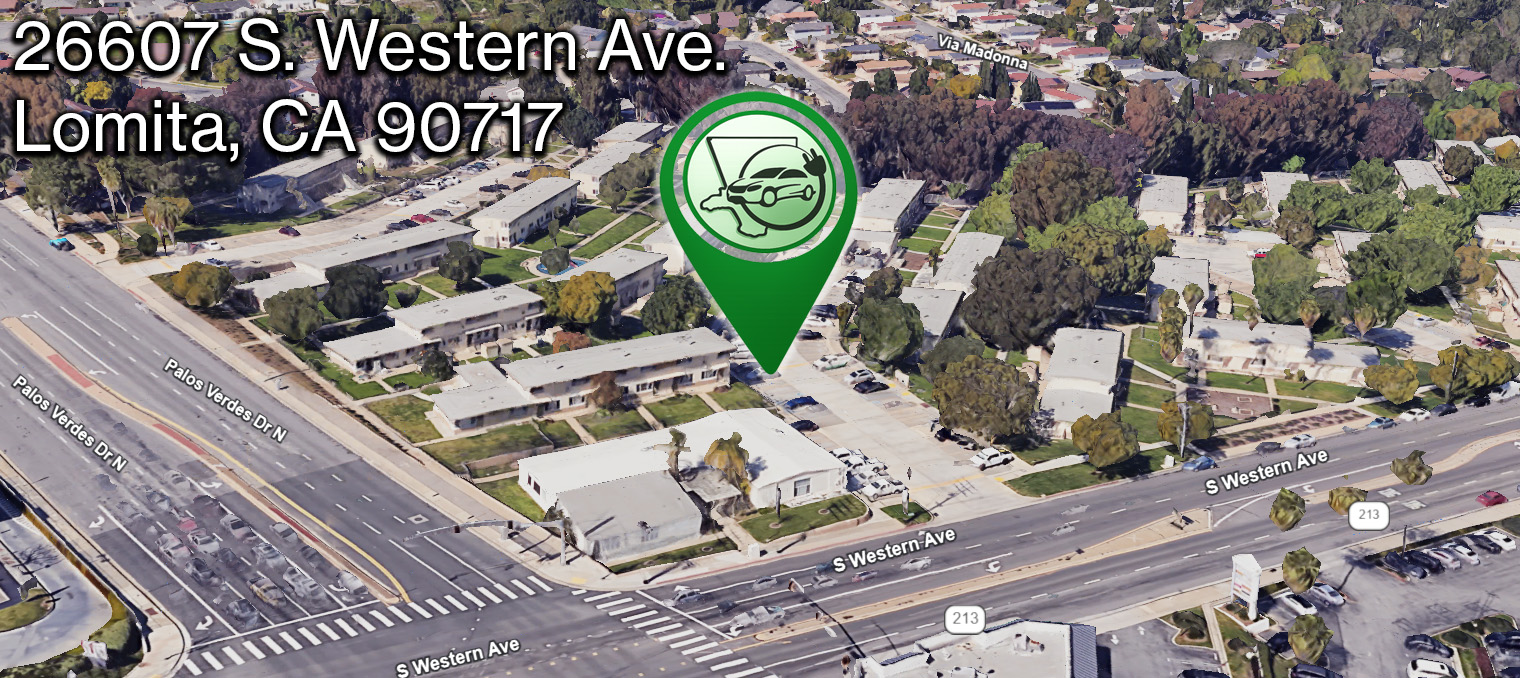
CTEP is pleased to announce that 8 new, publicly accessible Level 2 EV chargers are now online at the Los Angeles County Development Authority’s Harbor Hills 300 Court in Lomita, CA.
These chargers were installed using California Energy Commission (CEC) REACH Grant funds to advance equitable, accessible EV charging where it is most needed. This project reflects a strong partnership between the CEC, LACDA, Vector Energy Group, and PowerFlex working together to support California’s clean transportation goals.
Projects like this help ensure that residents in affordable and multi-family housing are not left behind in the transition to zero-emission transportation.
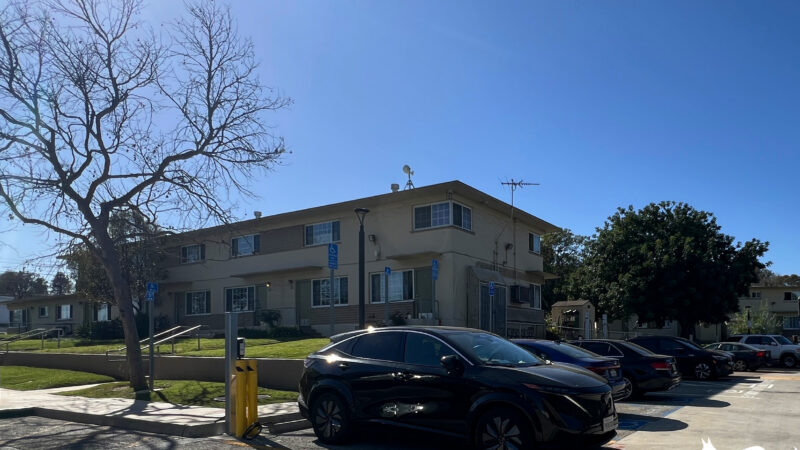
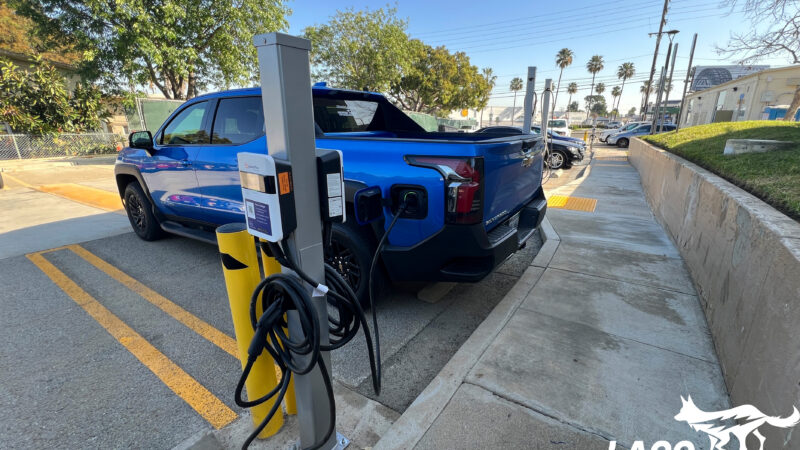
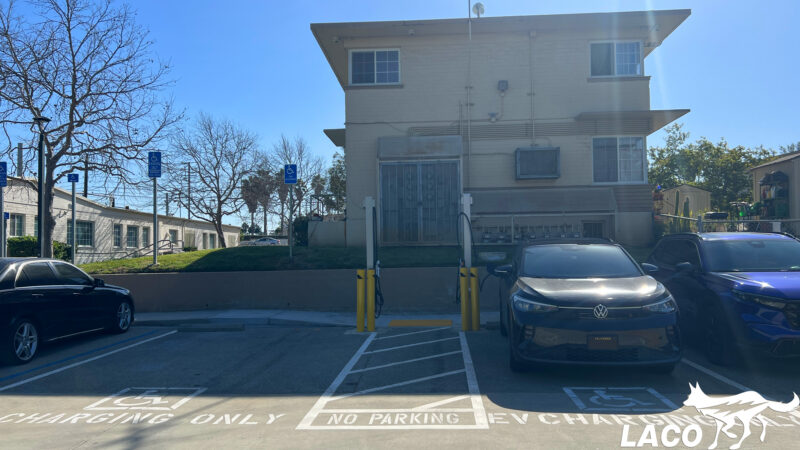
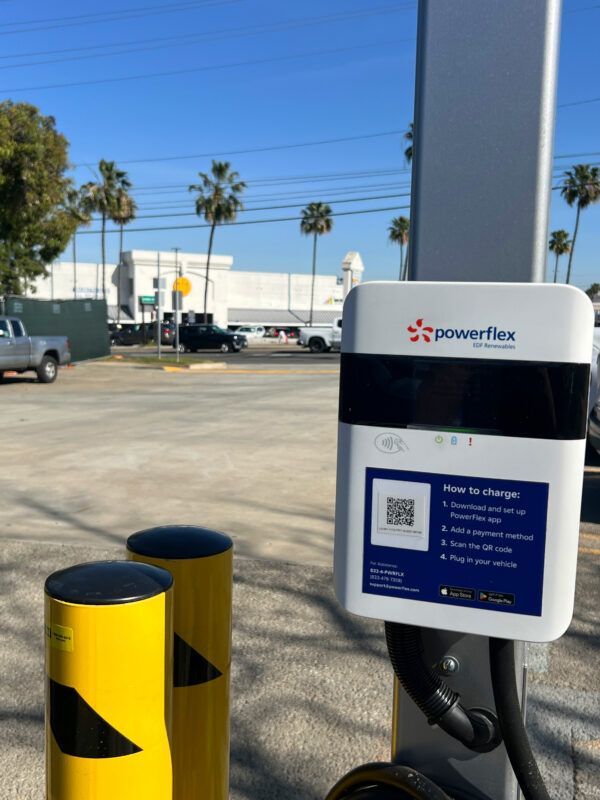
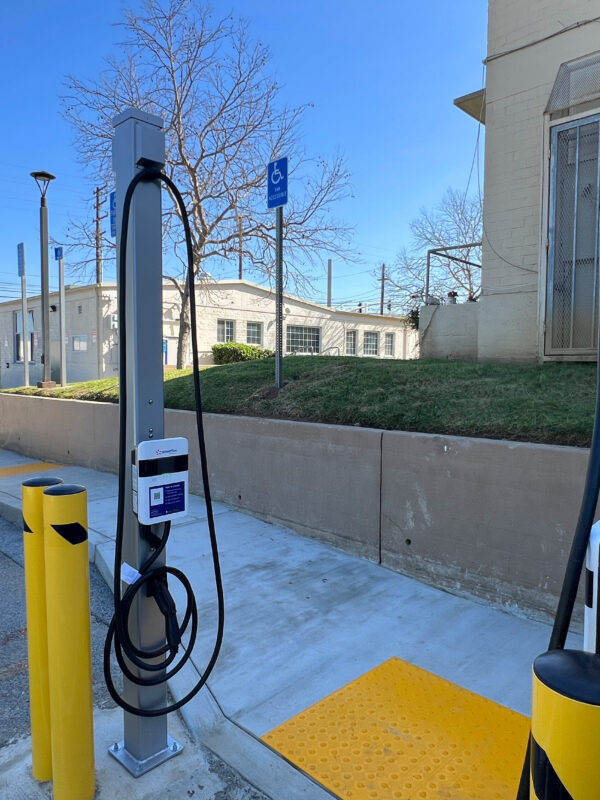
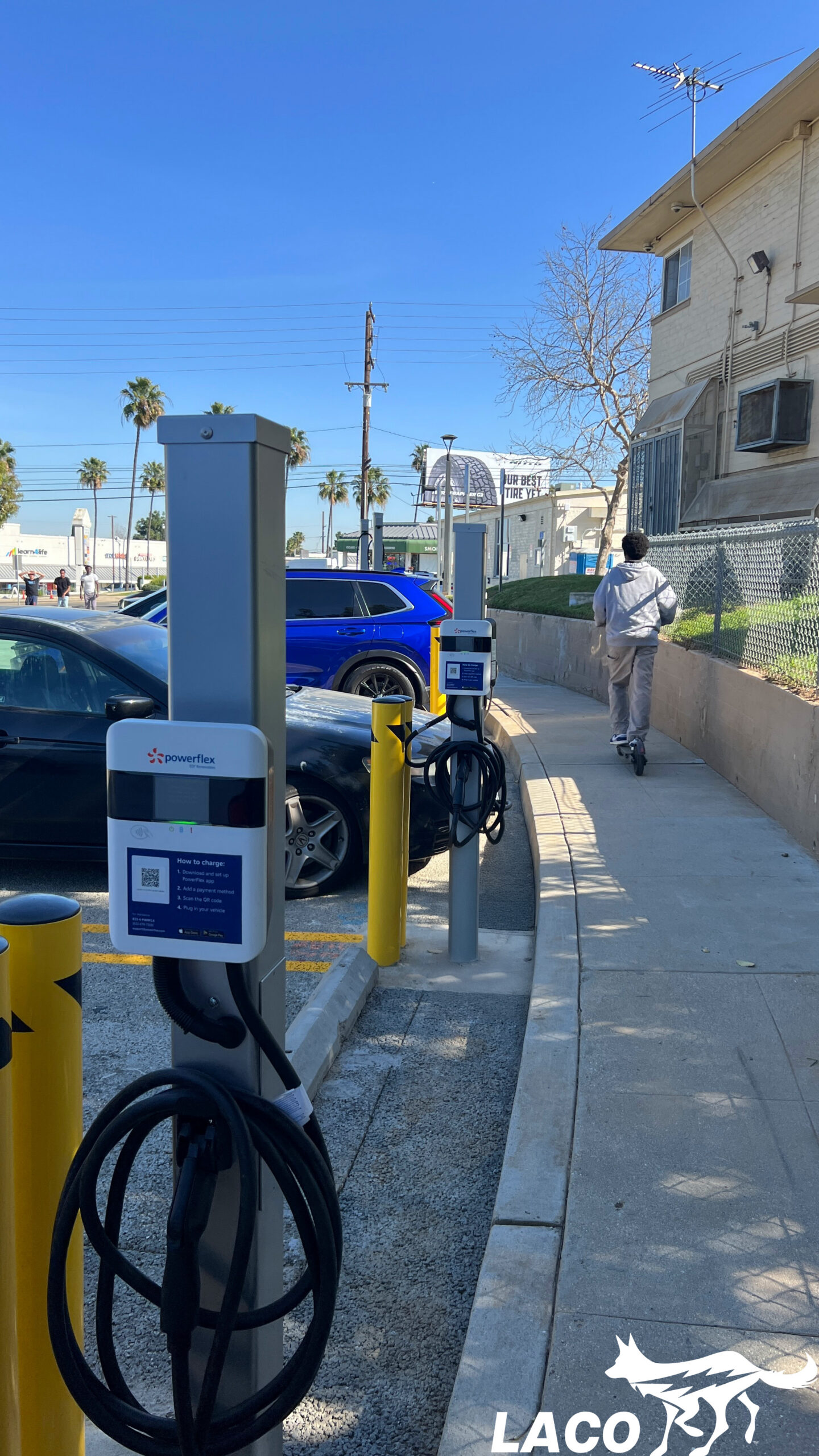
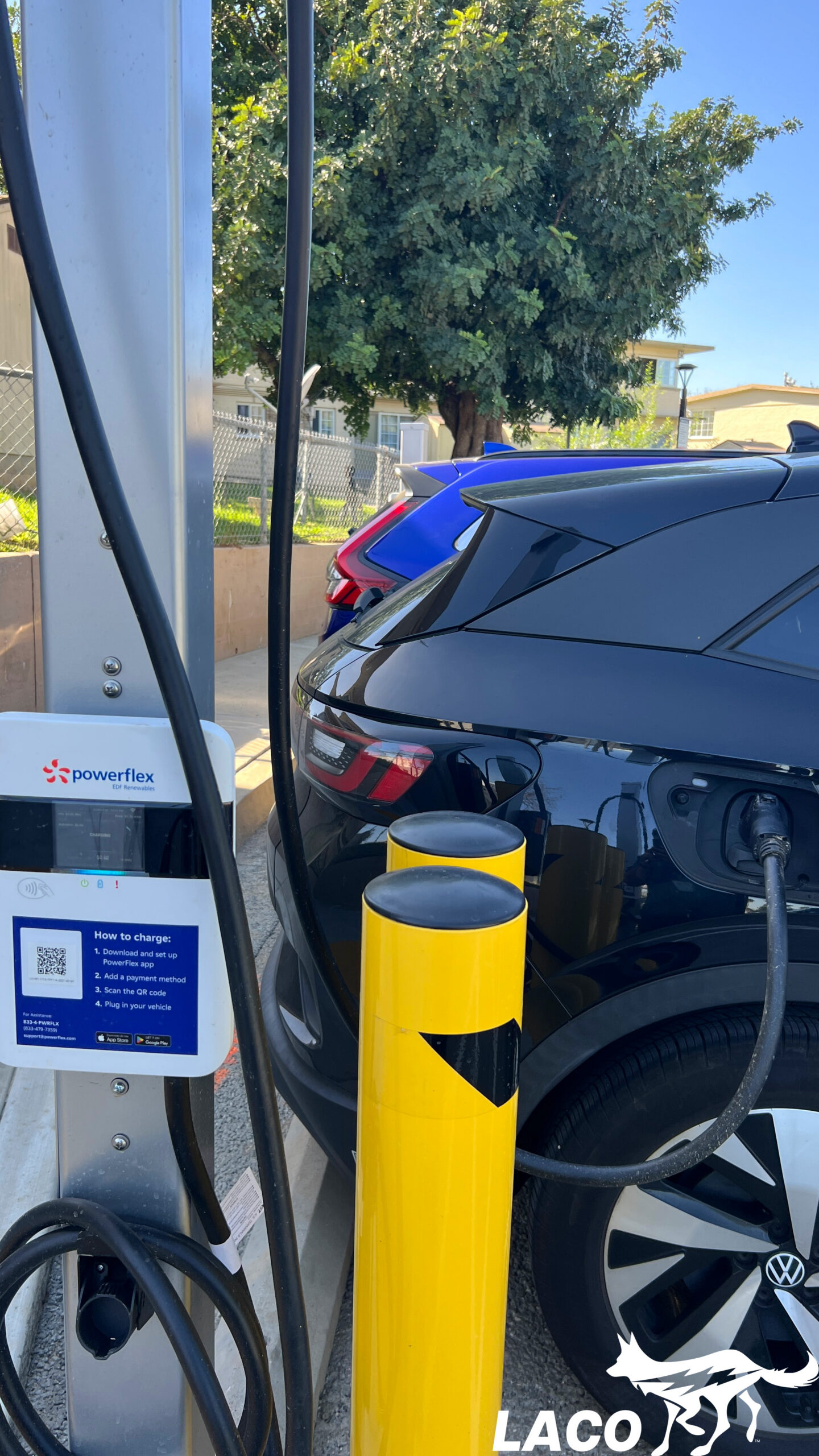
Harbor Hills EV charging site featuring newly installed N8W Level 2 chargers located within the LACDA residential parking area. The chargers are mounted on pedestal units with clear striping and designated accessible parking spaces to support ADA compliance and equitable access for residents and visitors.
Delivering Charging Options For High-Need Communities
The new Level 2 EV chargers installed at LACDA Harbor Hills were funded through the CEC Realizing Accelerated Charging and Infrastructure for Transportation Equity (REACH) grant program. REACH is designed to accelerate the deployment of publicly accessible electric vehicle charging infrastructure in disadvantaged and low-income communities by providing state funding to offset capital costs such as equipment procurement, installation, electrical upgrades, and network commissioning. The program advances California’s broader transportation electrification and climate goals by prioritizing investments in communities that face higher pollution burdens and historically limited access to clean mobility infrastructure.
Through this grant, CTEP was able to deliver reliable, networked charging at Harbor Hills without placing the financial burden on residents or the housing authority, while supporting equitable access to zero-emission transportation options.
The chargers can be located at: